
Southampton Electrical

Blog

Home / Blog

Get Electrically Storm-Ready: Smart Prevention for the Coming Season

When storm season rolls through Queensland, power outages are more than just an inconvenience – they can leave you without lighting, refrigeration, or even the ability to charge your phone and stay connected. The good news? With the right preparation, you can keep your home running smoothly even when the grid goes down.

One of the smartest ways to prepare is by installing a changeover switch and having a generator ready to go. This simple addition to your switchboard gives you a safe and reliable backup power option, so you can keep essential appliances running when you need them most.

1. Before the Storm: Inspect, Protect and Plan

• Know your system
Make sure you (or your property manager) know where the main switchboard is, where to isolate power, and which zones could be vulnerable. Homes and businesses need a clear plan in place. 

• Install and test safety devices
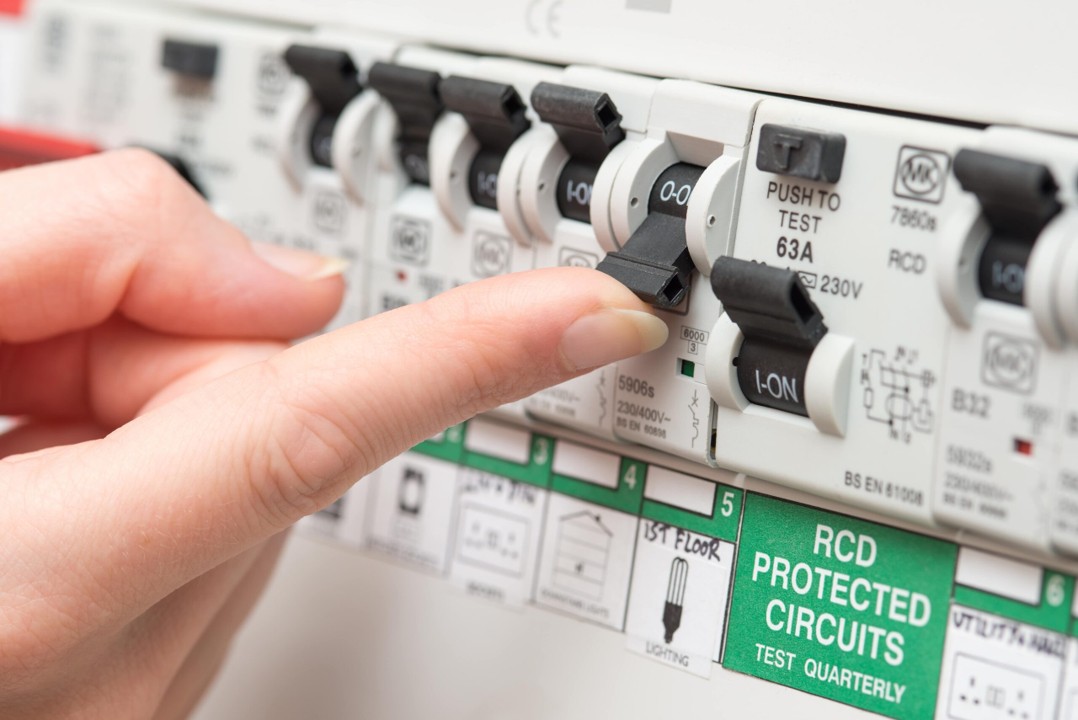
Safety switches (RCDs), surge protection devices and correctly installed wiring are vital. One supplier notes that standard surge protection may not suffice if the building lacks proper design for lightning protection. 

• Secure external vulnerabilities
Clear gutters, repair loose roof tiles, trim or remove trees near powerlines (but don’t try cutting branches yourself near powerlines!). Water ingress plus open wiring is a major risk. 

• Unplug and surge-protect valuable gear
High value electronics, data equipment and IoT devices are vulnerable during power surges and outages. Unplug them ahead of major events where possible. l

• Back-up power & emergency kit
If outages and downtime are costly for you, think about battery packs, properly installed generators (with change-over switches) and a basic storm kit: torch, radio, charged phone, spare batteries. 

• Review insurance & documentation
Damage from storms and electrical faults often sits in the grey zone of “natural event plus system failure”. Check your cover and keep photos or records of your wiring, equipment and recent inspections.

2. During the Storm: Stay Safe, Not Sorry

• Head indoors – away from windows
Flying debris and wind-blown objects can cause structural damage. While that’s going on, your electrical system may be under stress. 

• Unplug appliances if safe to do so
Power surges from lightning or grid flicker can damage home or business equipment. Even if the lights stay on, unplug non-essential loads.

• Plumbing and gas – bonding metal parts to earth keeps your family safe
Even indoors, plumbing and wiring conduct electricity. During a storm, water-soaked surfaces and electrical points are a hidden danger. It’s advised not to use landline phones, showers or plumbing during active lightning.

• Never approach a fallen power line or downed equipment
Assume it’s live. Keep a safe distance (8 metres or more) and contact the local electricity distributor immediately.

3. After the Storm: Inspect, Repair and Resume

• Don’t rush to reconnect or repair
Even when the skies clear, hidden damage remains. If your switchboard, wiring or appliances were impacted (flooded, struck by debris, exposed to water) get a licensed electrician to certify the system before full restore.

• Check for damaged solar PV or battery systems
If you have a solar setup or backup batteries, these systems can remain live even when the main supply is off. They must be inspected by professionals. 

• Review and learn
After the event, take note of vulnerabilities: Did an area flood? Were electronics damaged despite precautions? Use it as an opportunity to improve next season’s readiness.

• Communicate with staff/family
If you manage a business, reinforce the storm plan with staff. If a household, talk it through with family members. Everyone should know how to shut off power, where emergency supplies are stored, and what the designated safe zones are.

4. Why It Matters — A Quick Reality Check

  • In Australia, damaged power lines, fallen trees and lightning strikes cause serious electrical hazards — each year there are deaths and injuries related to such events. 

  • A direct or near lightning strike can produce enormous energy, damaging wiring, switchboards and appliances from a long way away. The ground potential rise (EPR) effect means damage may occur even if the building itself was not hit. 

  • Storm-related home and business insurance claims for electrical damage are rising. Being prepared can reduce both risk and cost.

5. What You Can Do Now - Action Items

  1. Schedule a licensed electrician to inspect your property’s switchboard, safety switches and surge protection before the next major storm (for a business or home).

  2. Create a simplified storm-emergency plan (who does what, where supplies are, how to shut off power if needed).

  3. Physically unplug known vulnerable electronics ahead of forecast storms and ensure backup power / emergency kit is charged.

  4. Document vulnerable areas (roof, trees near lines, exposed wiring) and site remedial work where cost-effective now (rather than after damage).

  5. After the event, mark a date for a full system check-up and record any faults or near-misses to improve the next cycle.

In Summary

Storm season isn’t just about getting ready for rain and wind – it’s about protecting the electrical heart of your property. A single surge, flood or fallen line can lead to costly repairs, operational downtime or worse – risk to life. By being prepared before, vigilant during, and thorough after – you set up your home or business to ride out the worst with minimal damage.

If you’d like a professional electrical audit, surge-protection installation or storm-resilience upgrade for your business or home, we’re here to help make sure you’re storm-smart.

Get in touch

For all your residential or commercial electrical requirements, get in touch today for a fast no-obligation quote. Electrical services, made easy.

Get in touch

For all your residential or commercial electrical requirements, get in touch today for a fast no-obligation quote.